
Creator Interview: Abel García

Abel García is a quintessential illustrator and comic artist living just outside Barcelona, Spain. He studied artistic illustration and comic drawing courses at different art schools in Barcelona. He has been published through various publishers in Spain, the USA, and Canada. And he is the Artist for my book, Kitty's Bordello!
Welcome, Abel!
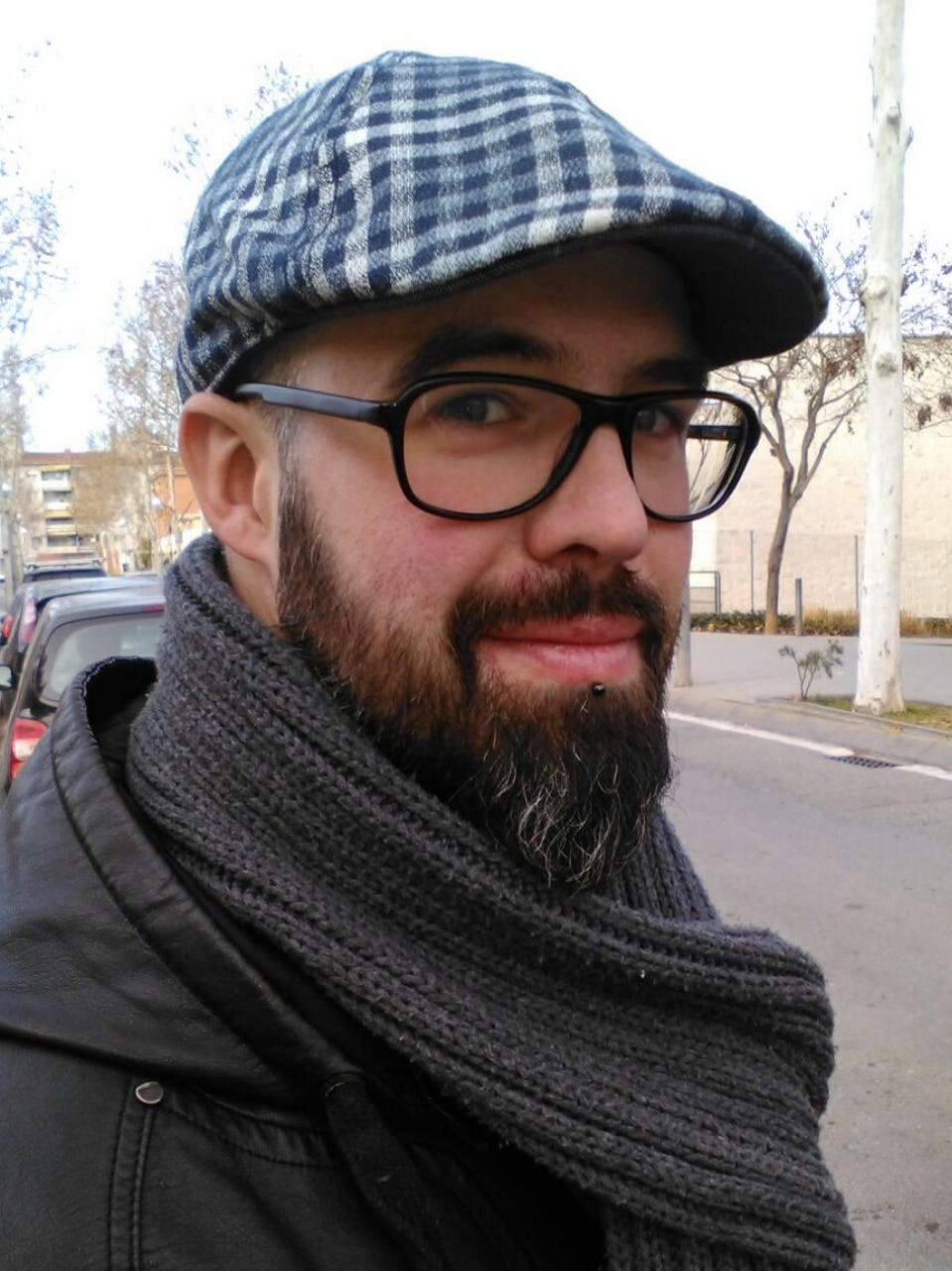
I'm a huge fan of yours, everything from the quality work we've worked on together to the short you made about Spanish folklore, and everything in between. What attracted you to drawing comics initially?
Thank you so much! I’ve always loved stories, but as a kid I realized that comics gave me a way to see the worlds I imagined. I was fascinated by how a single page could combine art and narrative to create an experience you can almost feel in your hands. Over time, that curiosity became a need—I didn’t just want to read comics, I wanted to make them.
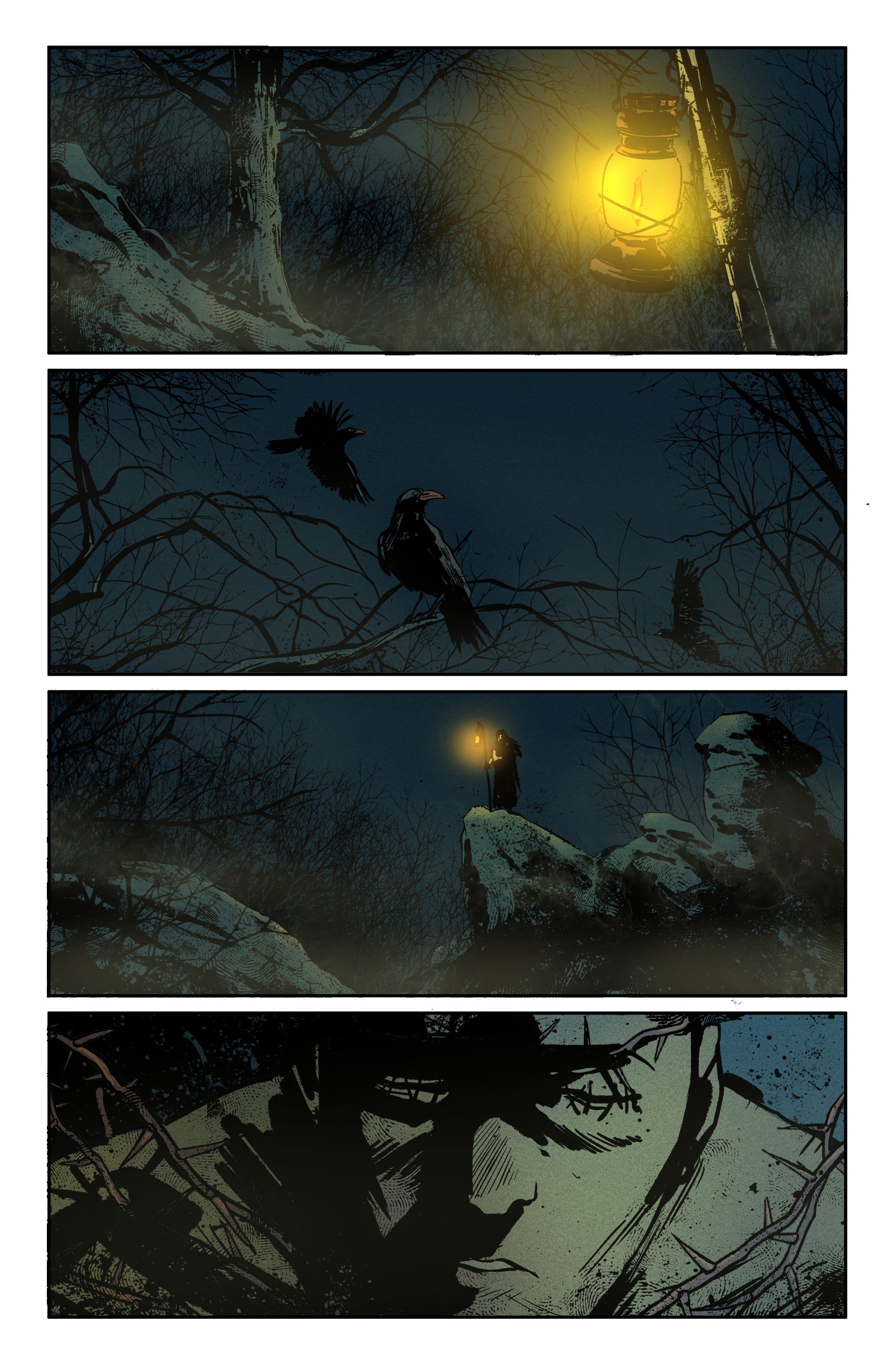
Batman is your favorite superhero. But the catalog is so gigantic and diverse. Is there an era, a particular title, a run, a movie that you find to be the best version of the character?
For me, Batman: The Long Halloween by Jeph Loeb and Tim Sale is a perfect version of the character. It balances detective work, noir atmosphere, and the emotional depth of Bruce Wayne. It’s stylish without losing the grit, and every panel feels like Gotham is alive—dark, dangerous, and beautiful.
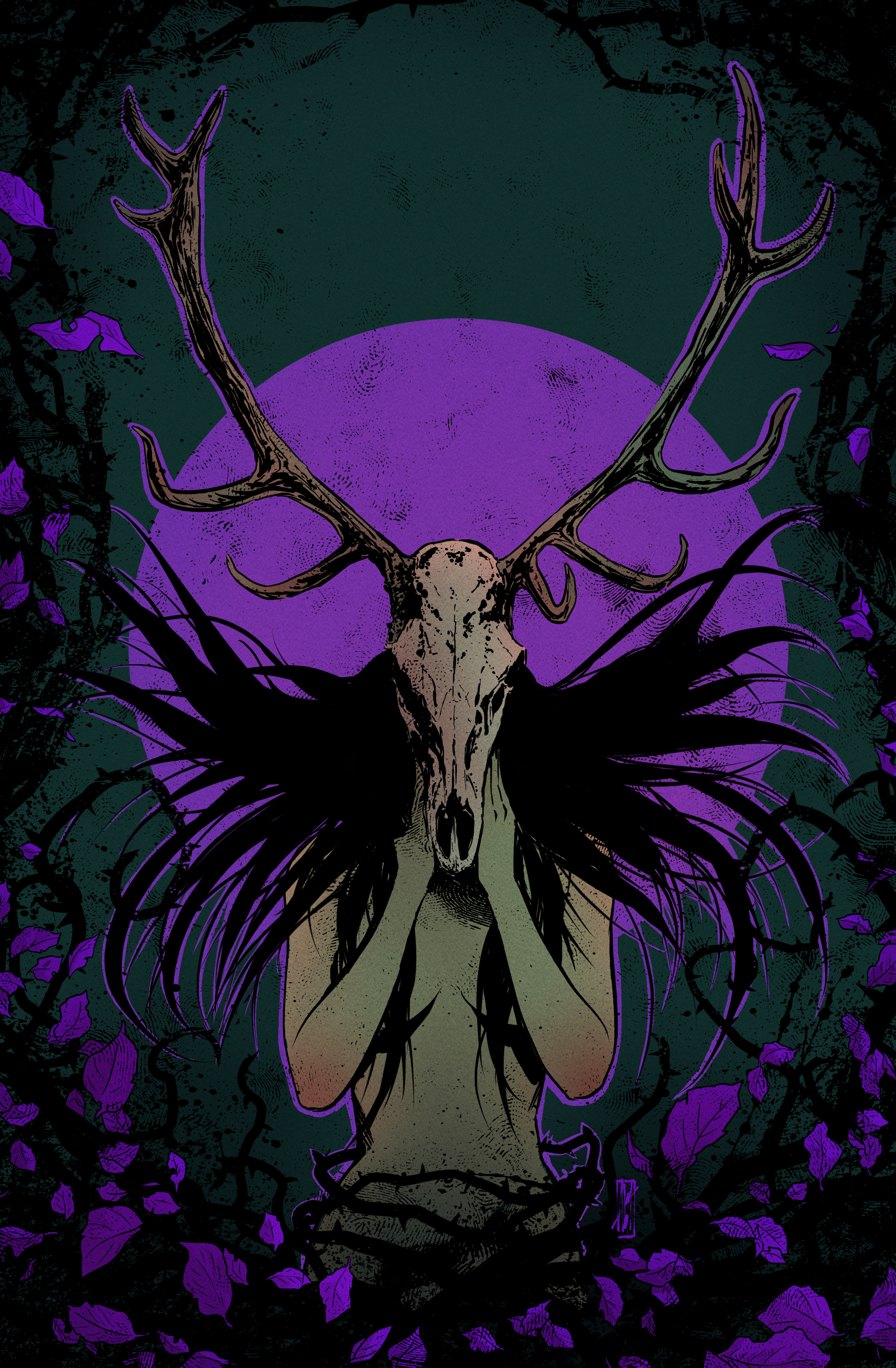
When creating any sort of sequential art, from a one page short to a volume of a completed saga, what is the most important aspect that goes into the work?
Clarity. No matter how complex the story or how experimental the style, the reader has to follow what’s happening emotionally and visually. Good storytelling in comics means guiding the eye, controlling rhythm, and making sure every panel has a purpose. If the reader feels lost, even the most beautiful drawing won’t save the page.
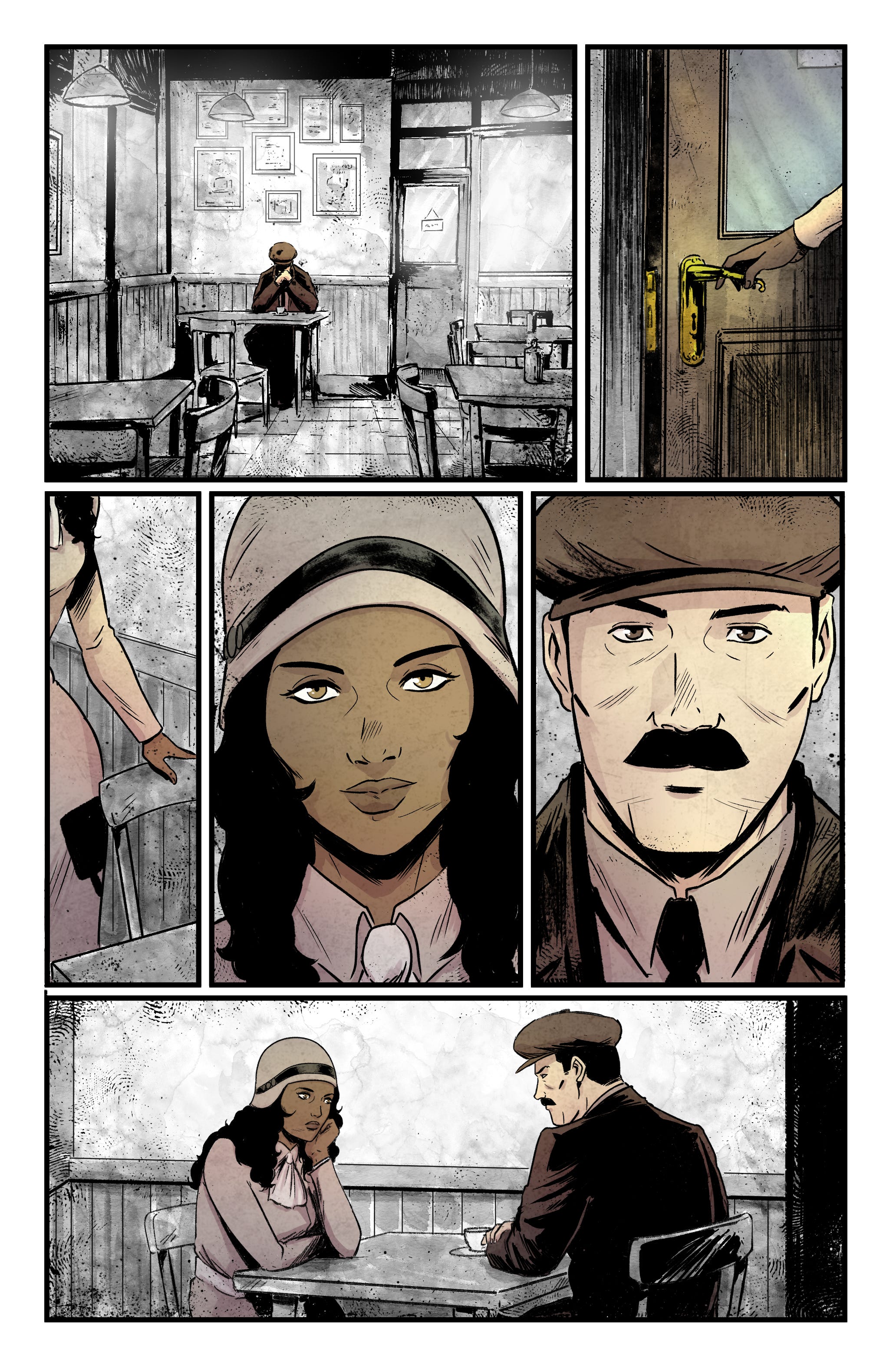
What advice would you give to writers as far as page layout and flow?
Think visually. Even if you’re not an artist, picture how the page might feel when someone reads it. Avoid overloading panels with dialogue—let the art breathe. Trust your artist, give them space to create beats and moments of impact. And don’t forget scene transitions! Finding a small visual or narrative link between scenes—maybe an object, a mood, or a shared line of dialogue—can make the whole story flow with more harmony. And remember: every turn of the page is an opportunity for surprise, suspense, or an emotional hit. Use that like a weapon.
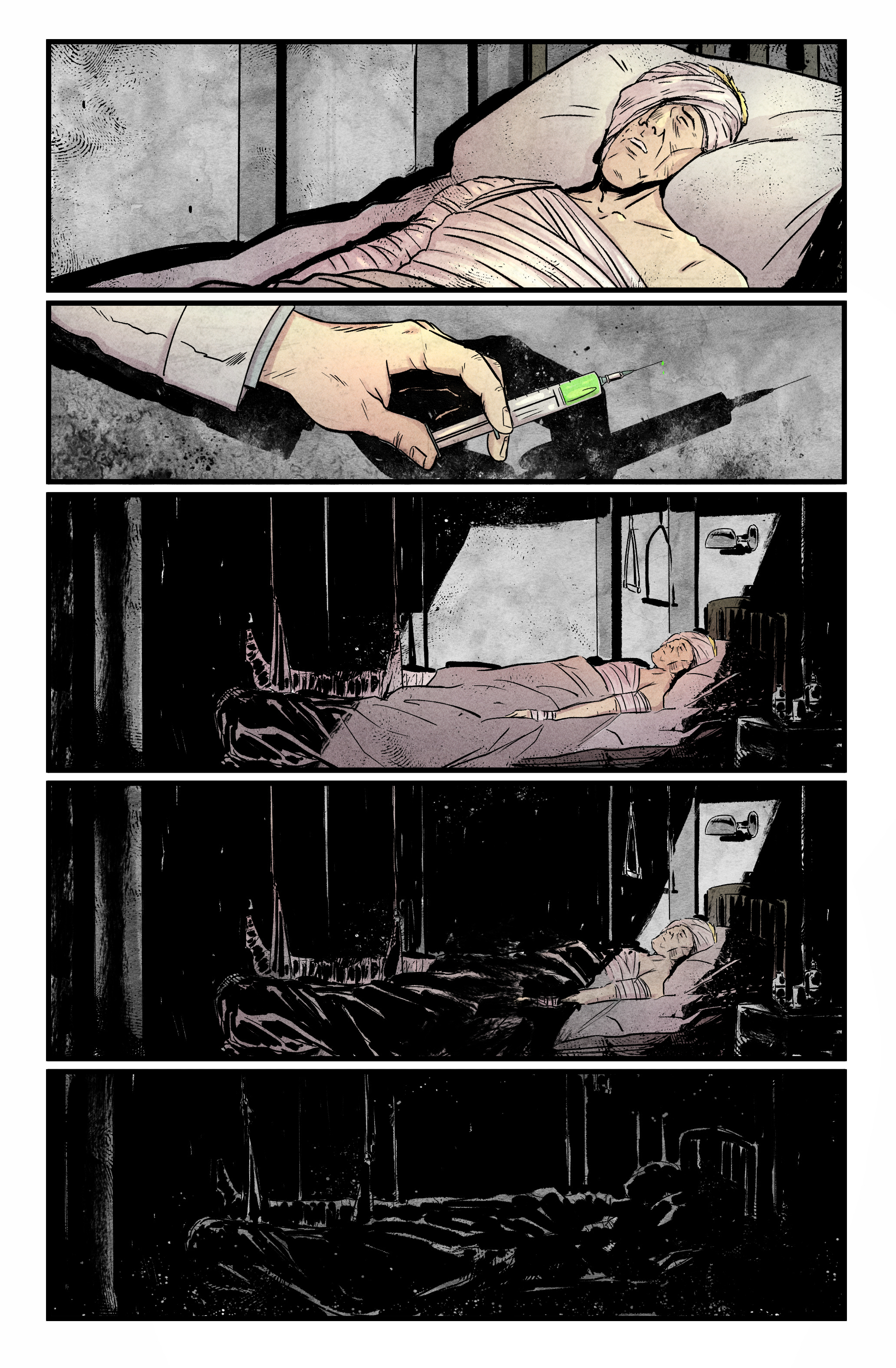
Alright Abel, after a long day of riding bikes, working on artwork, and hanging with your family, a big pizza awaits for dinner. Please answer the most controversial question in the history of the world... What is the best pizza topping?
Easy: beef. I’m a meat lover through and through. Give me a pizza loaded with good quality beef and I’m happy for the rest of the night. Though, if you ask my daughter, she’ll probably say extra cheese—and she’s rarely wrong about these things.
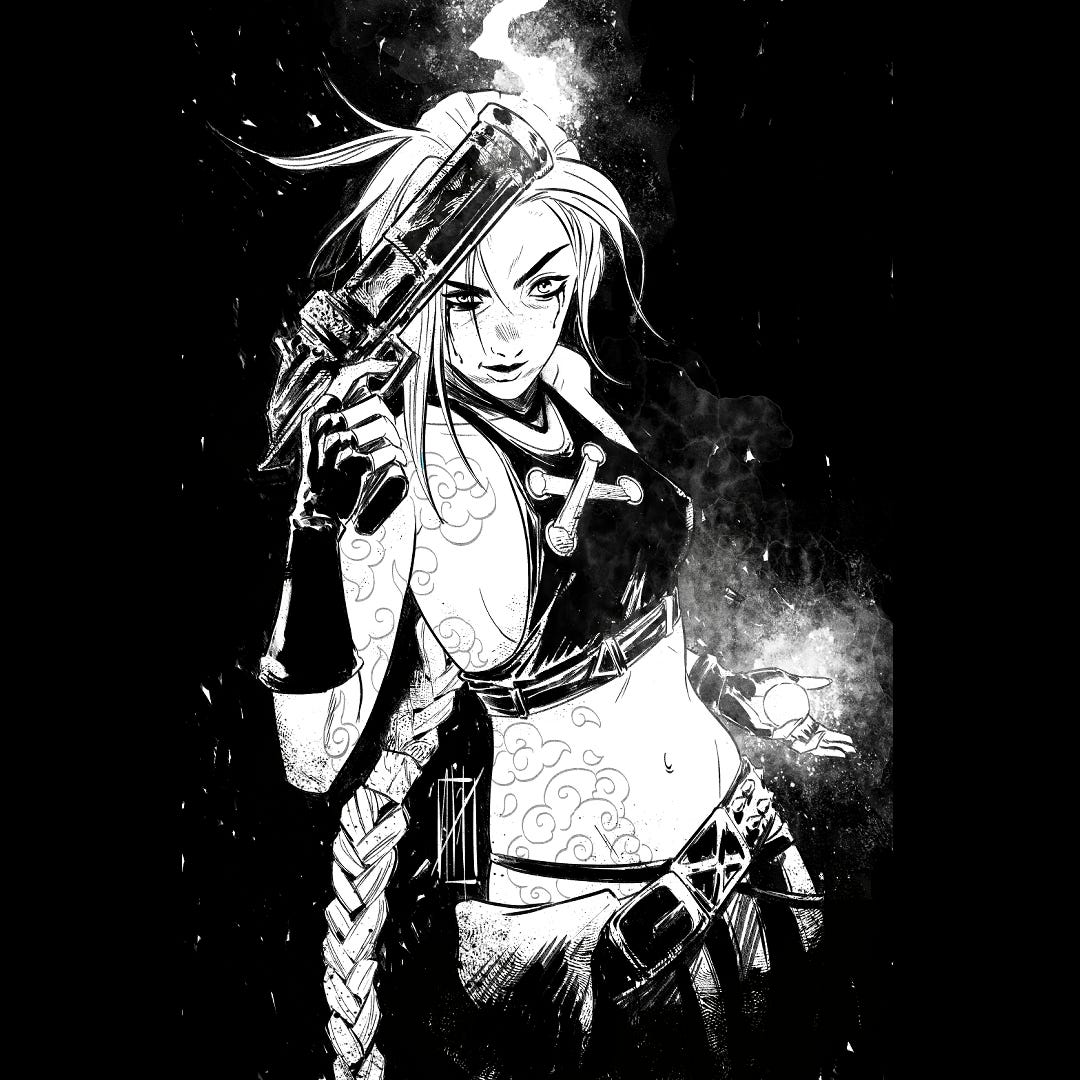
Abel is a master of the craft!